Breed, Health
Rhodesian Ridgeback diet guide: joint health and lean muscle
 7 min read7 min read
Ridgeback nutrition is shaped less by sheer size and more by what this breed actually does: move. Bred to run down lions across the African bush, the Rhodesian Ridgeback needs a feeding approach built around stamina and lean muscle rather than bulk. Here’s what to feed a Ridgeback at every life stage.
A full-grown Ridgeback typically weighs 32-39kg, built lean and muscular rather than bulky, with a lifespan averaging 10-12 years. That athletic build is the key difference from giant breeds like the Boerboel. A Ridgeback’s nutrition priority is sustained energy and lean muscle, not controlled growth alone.
Two breed traits shape feeding decisions:
Ridgeback puppies still need controlled growth, and any large breed puppy benefits from calcium-balanced nutrition rather than maximum-speed growth. The emphasis here is building a frame that can sustain activity, not just size.
What matters for a Ridgeback puppy:
This is where the Ridgeback’s profile diverges most from a giant breed. Active adult Ridgebacks, particularly working, hunting, or highly exercised dogs, often do well on a higher protein diet than the breed minimum, since muscle maintenance and sustained energy are the priority.
Practical priorities for adult Ridgebacks:
Ridgebacks are predisposed to a breed-specific congenital condition called dermoid sinus, a skin defect present from birth, unrelated to diet. It’s not something nutrition prevents or fixes, but it’s worth knowing the breed carries this risk so you can catch it early with your vet, particularly in puppies.
As Ridgebacks age, the goal shifts from fuelling activity to preserving the muscle mass they’ve built. Energy needs typically drop, but protein quality should stay high to avoid muscle loss. Good senior-stage ridgeback nutrition also means recalibrating portions as activity naturally slows, rather than feeding the same amount on a lower-energy frame. Keep an eye on weight and joint mobility as the two clearest indicators that a diet adjustment is due, and don’t wait for a noticeable limp before involving your vet, since early adjustments are easier to make than corrections after the fact.
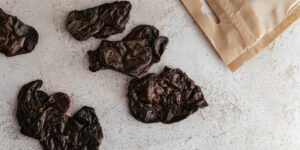
An active, muscular breed like the Ridgeback responds well to training rewards that don’t undercut a carefully balanced, protein-focused diet. Single-ingredient treats, like our Beef Naturals or Venison Naturals ranges, give you a clean way to reward an athletic dog without adding fillers that work against muscle maintenance.
A Rhodesian Ridgeback’s nutrition needs track its history as a working, endurance breed: steady growth as a puppy, protein-focused fuel as an active adult, and muscle preservation in the senior years. Get the basics right, and you’re supporting the stamina this breed was built for.
This article is for general guidance. Always consult your vet for nutrition decisions specific to your dog’s health history.


Sign up for information and new product updates.


