Breed
Africanis nutrition: feeding South Africa’s indigenous landrace dog
 6 min read6 min read
Africanis nutrition is simpler than most breed guides make it sound, mostly because this is a dog shaped by survival, not by a show ring. If you share your home with an Africanis, here’s what actually matters for keeping South Africa’s original dog healthy.
The Africanis is South Africa’s indigenous landrace dog, descended from dogs that have lived alongside Southern African communities for centuries. Unlike pedigree breeds shaped by human selection for appearance, the Africanis developed through natural selection for survival, intelligence, and hardiness. That history shows up directly in how this breed handles food.
A few things define the breed:
Africanis puppies don’t carry the giant-breed growth concerns of a Boerboel, but they still benefit from a properly balanced medium-breed puppy formula rather than an adult diet too early. Three to four smaller meals a day support steady development without overloading a growing digestive system.
This is where Africanis nutrition is most straightforward: feed for the dog in front of you, not a breed stereotype. An Africanis that’s mostly a yard or home companion needs less than one still doing guarding or working duty, and portion sizes should follow actual activity level rather than a one-size formula.
What holds true across most adult Africanis:
As an Africanis ages, calorie needs typically drop while protein quality should stay consistent to protect muscle mass. Keep portions aligned to actual weight and activity rather than habit, since this is a breed that can run lean its whole life and then gain unnoticed once activity drops in later years.
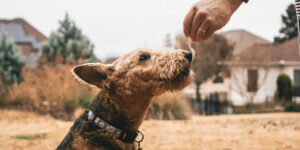
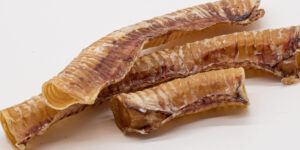
An active, food-motivated breed like the Africanis responds well to training rewards that reinforce a lean, protein-focused diet rather than working against it. Single-ingredient treats, like our Ostrich Naturals range, give you a way to reward training without adding fillers that don’t suit this breed’s naturally lean build.
Africanis nutrition rewards a straightforward approach: feed for the dog’s actual size and activity, not a stereotype, watch weight more closely than joints, and lean on quality protein throughout. Do that, and you’re supporting one of the healthiest, most naturally adapted breeds South Africa has.
This article is for general guidance. Always consult your vet for nutrition decisions specific to your dog’s health history.

Sign up for information and new product updates.


